

Personal Trainer For Menopause Transitioning Empowerment
How Personal Trainer Can Help You With Menopause

Personalized Workout For Women

Menopause-Centric Nutritional Guidance

Takes Care Of Sensitive Topics

Ensures Mental and Emotional Well-Being

Improves Bone Health

Ease Menstrual Discomfort
How will menopause affect you?
FAQ
Our Personal Training Programs
High Blood Pressure
Looking to lower your blood pressure? Surge: Strength & Results offers tailored strength training and nutrition plans to improve cardiovascular health, build muscle, and help you adopt healthy habits in a supportive, monitored environment.
Diabetes
Our Managing Diabetes Blood Sugar program provides safe, customized workouts adapted to your energy and health. Trainers improve insulin sensitivity through exercise and balanced diets while monitoring carbohydrates. We collaborate with healthcare providers to ensure fitness and nutrition plans align with medical guidance.
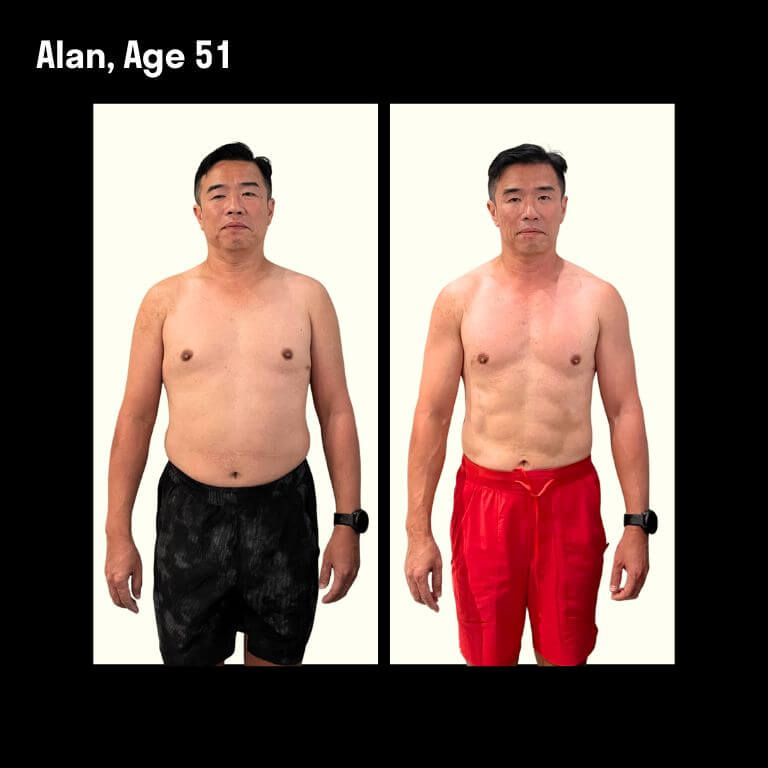
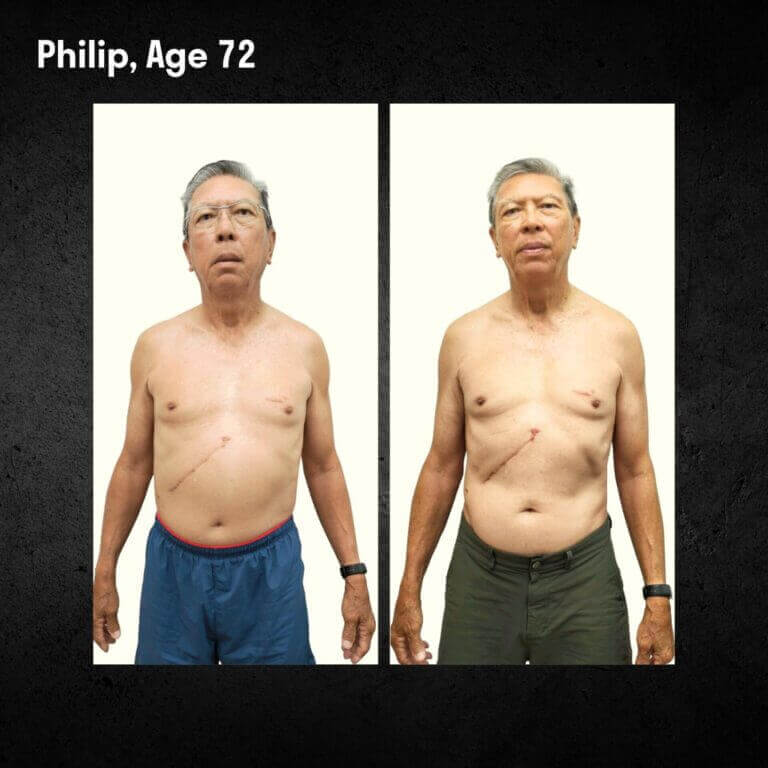
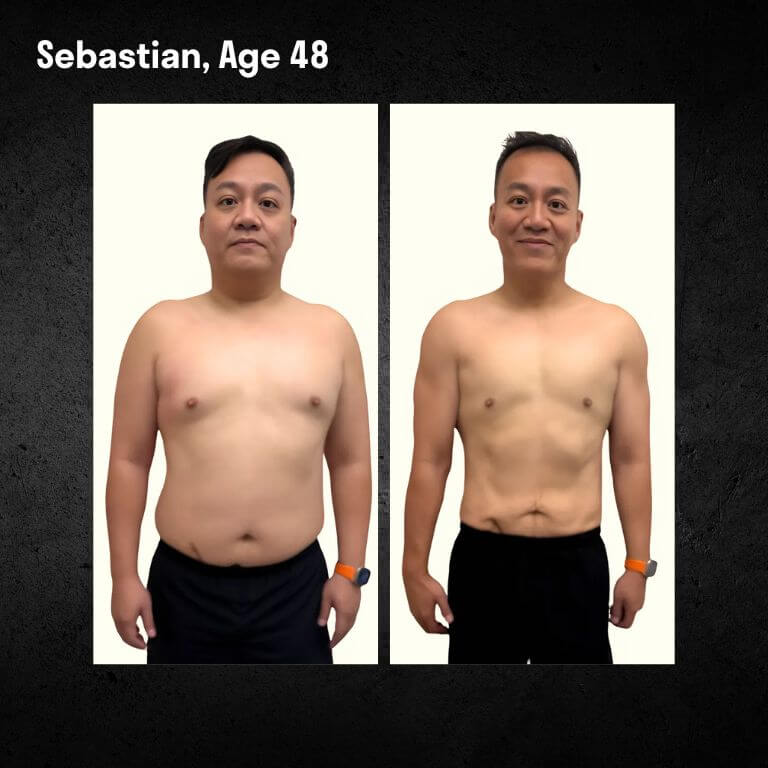
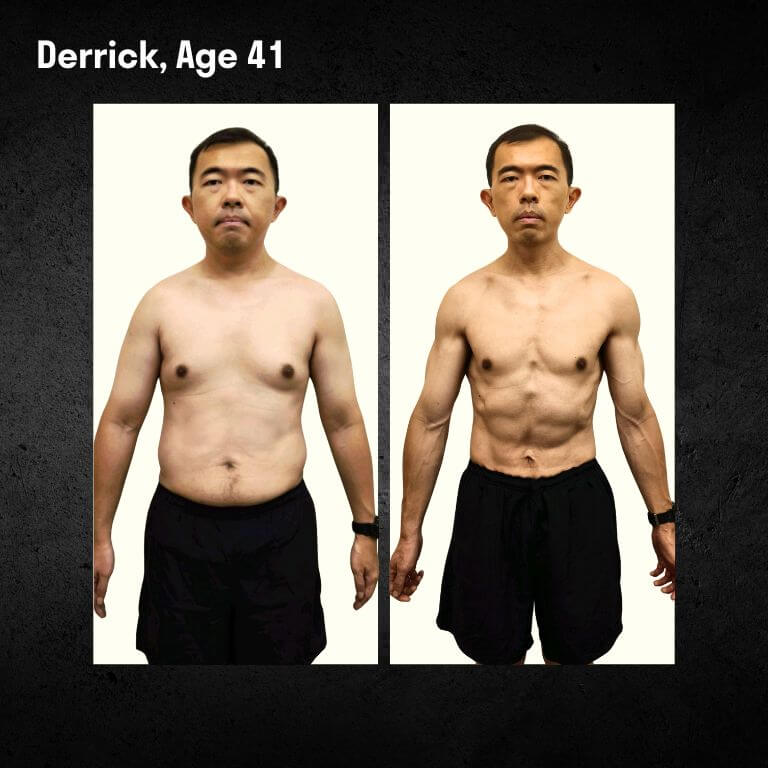
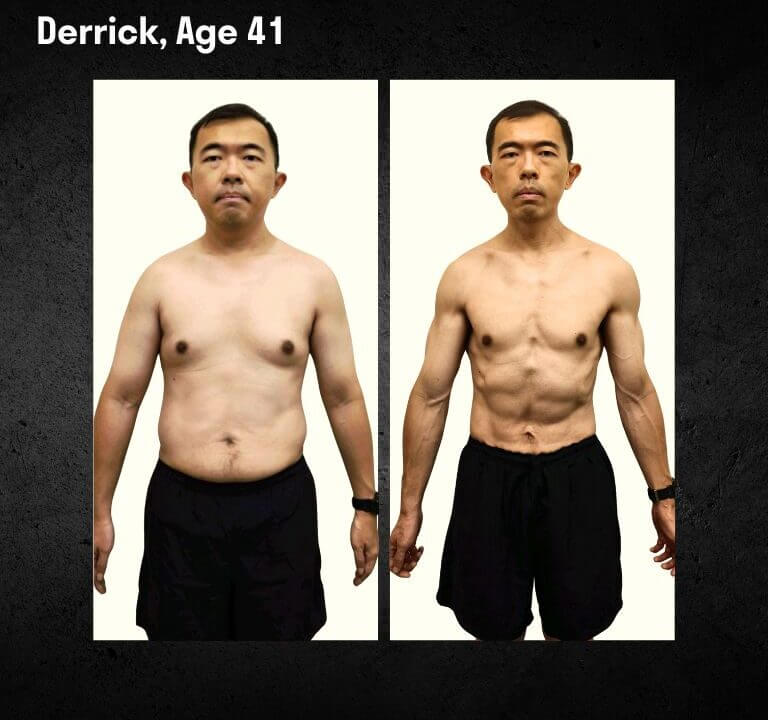
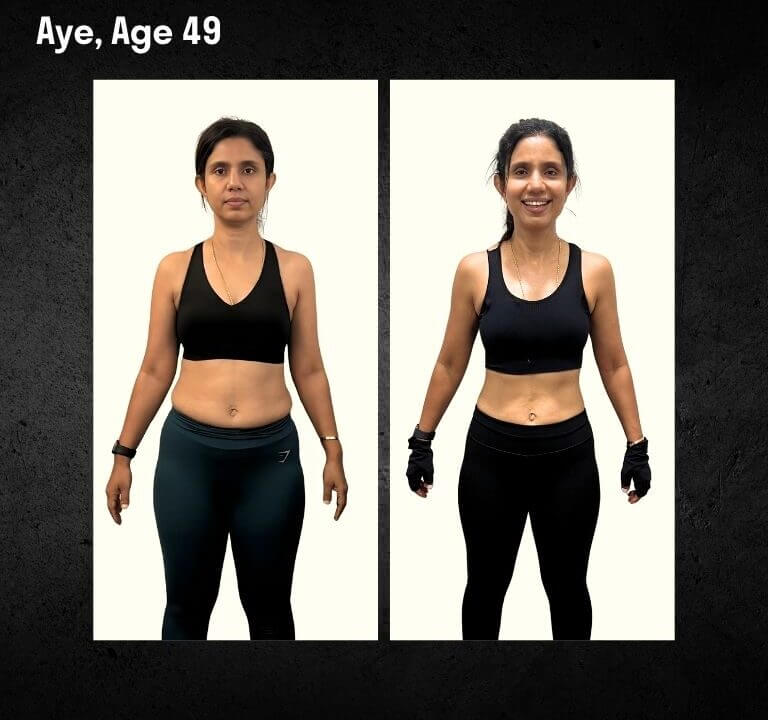
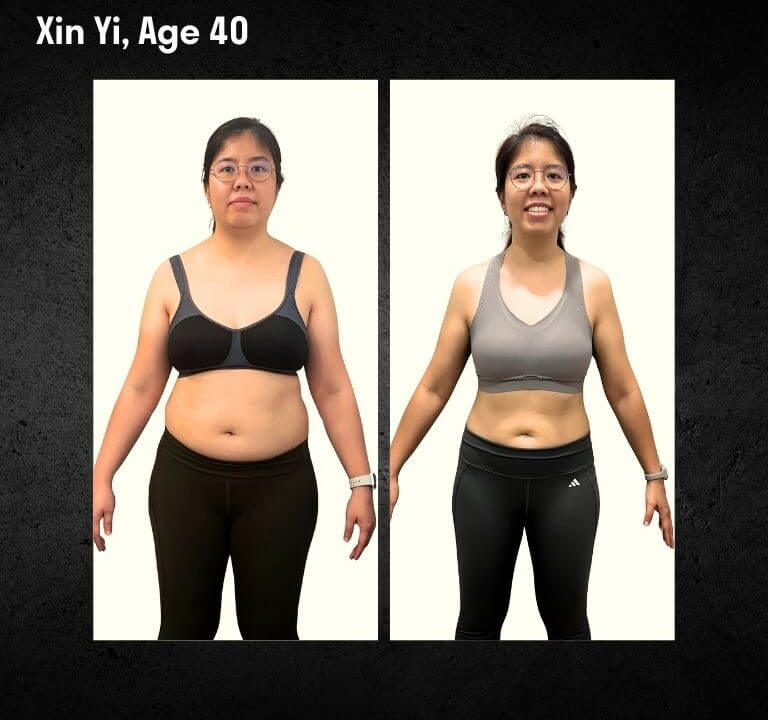
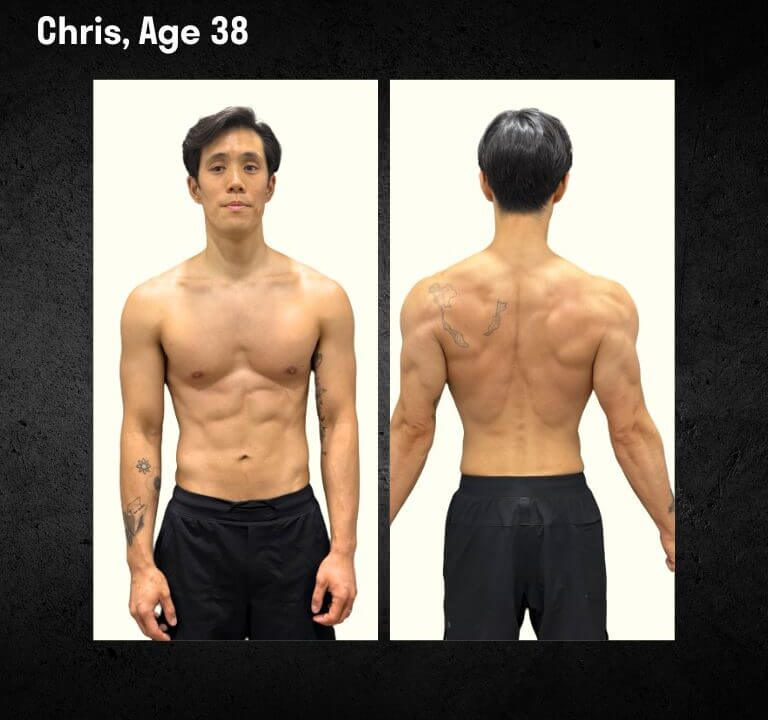
Body Transformation
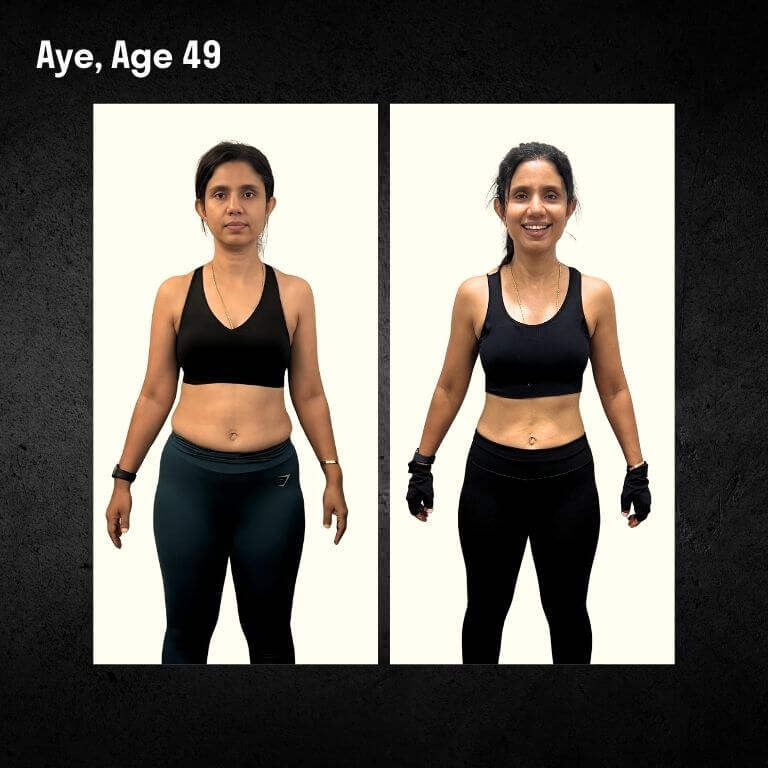
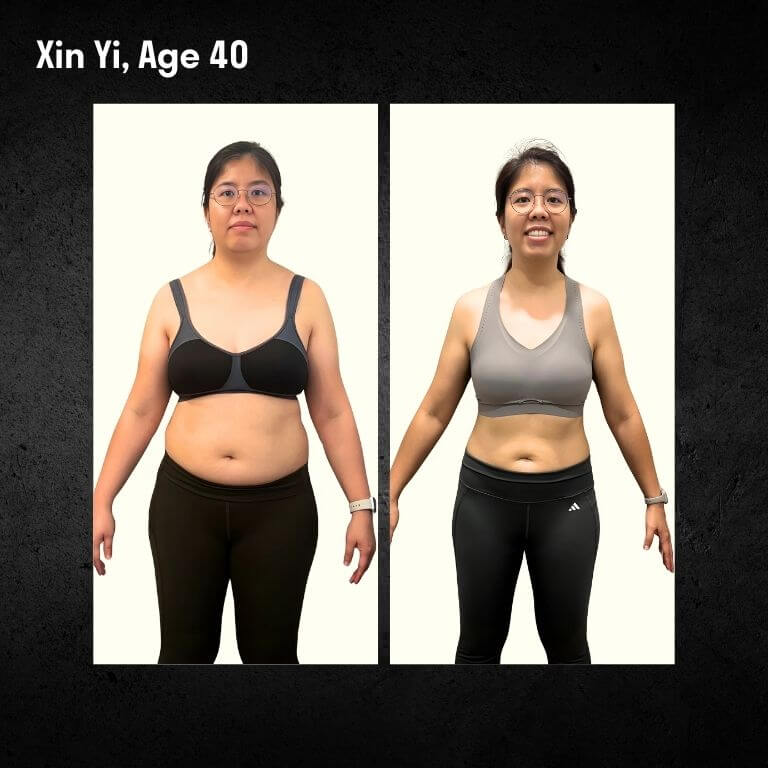
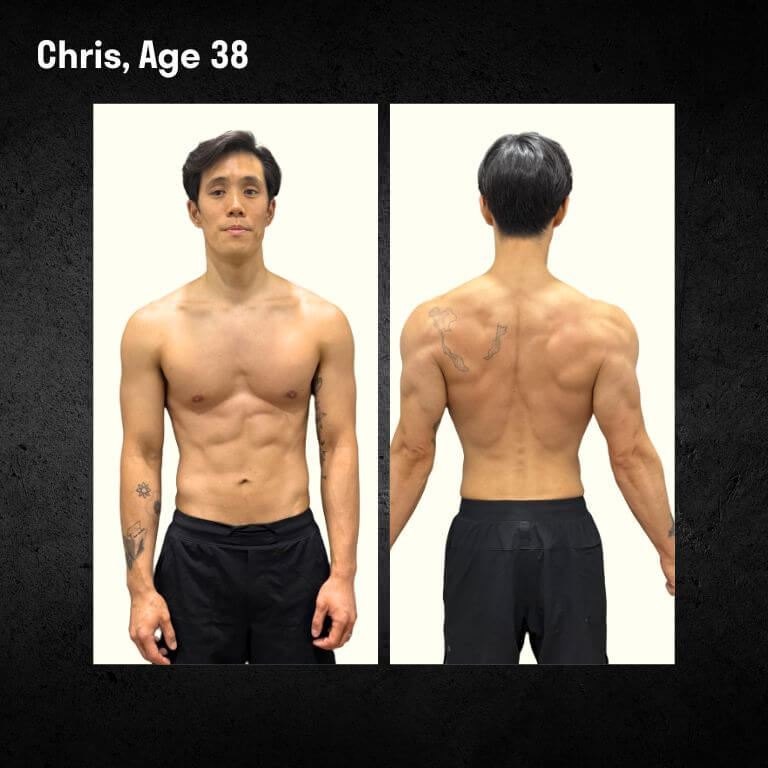
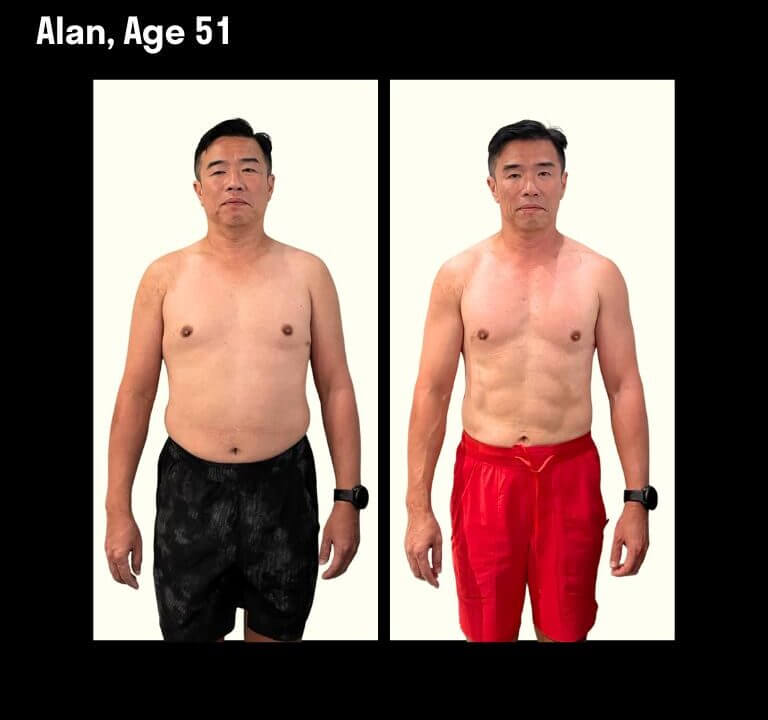
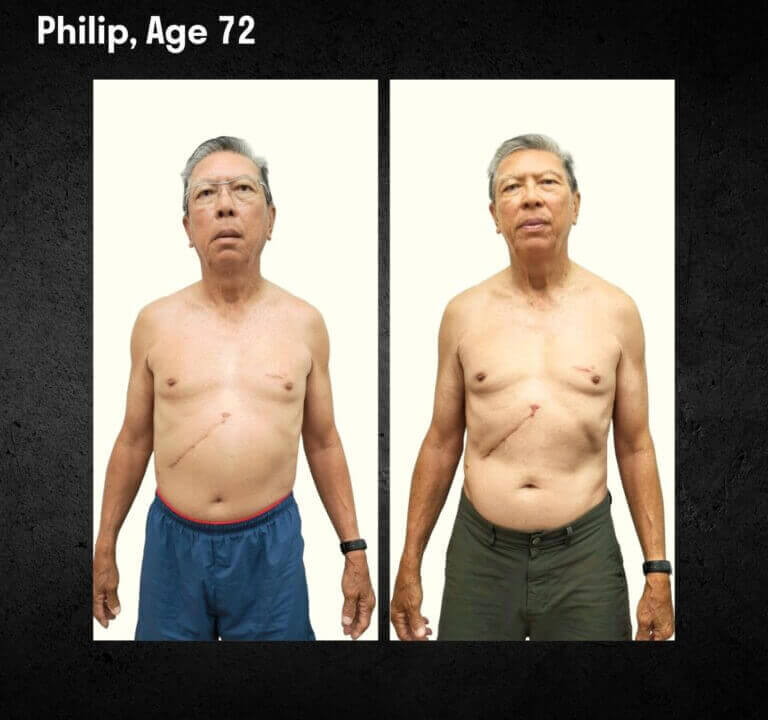
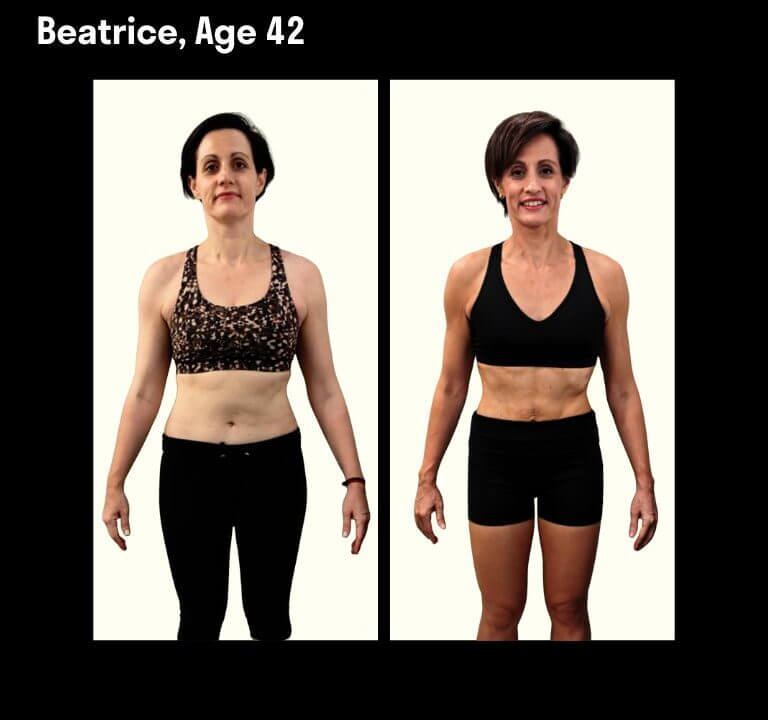
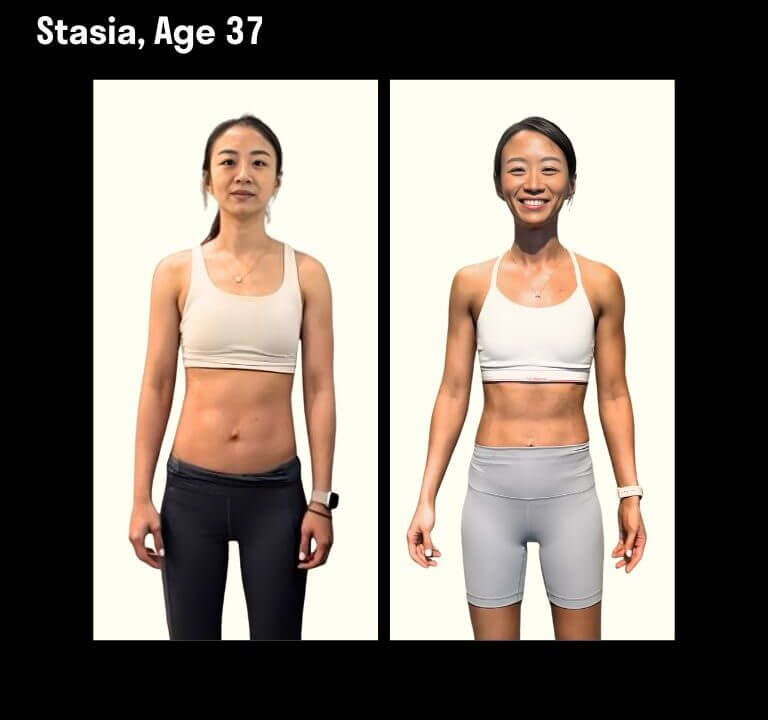
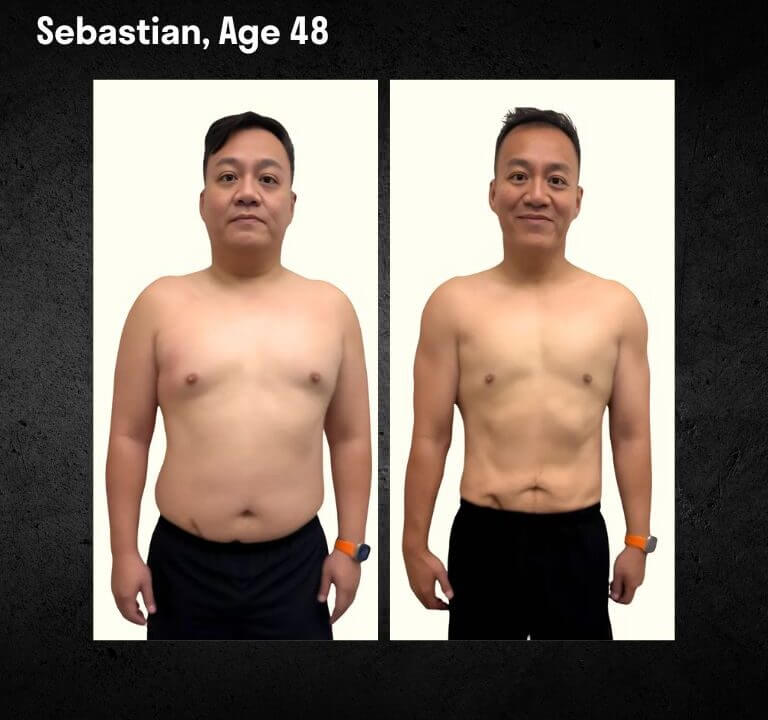
At Surge: Strength & Results, our expert trainers guide you through personalized body transformation programs. We keep you motivated, provide tailored nutrition plans, and track your progress to ensure faster, sustainable results for weight loss, strength, and overall health.


Ready to Fuel Your Results?
Book your FREE consultation – no obligations. We’ll discuss your goals and share simple, actionable nutrition tips you can start using right away to support your fitness and wellness.