
Strength Training After 50: How to Choose the Right Personal Training Program in Singapore
July 28, 2026
Edric
August 12, 2026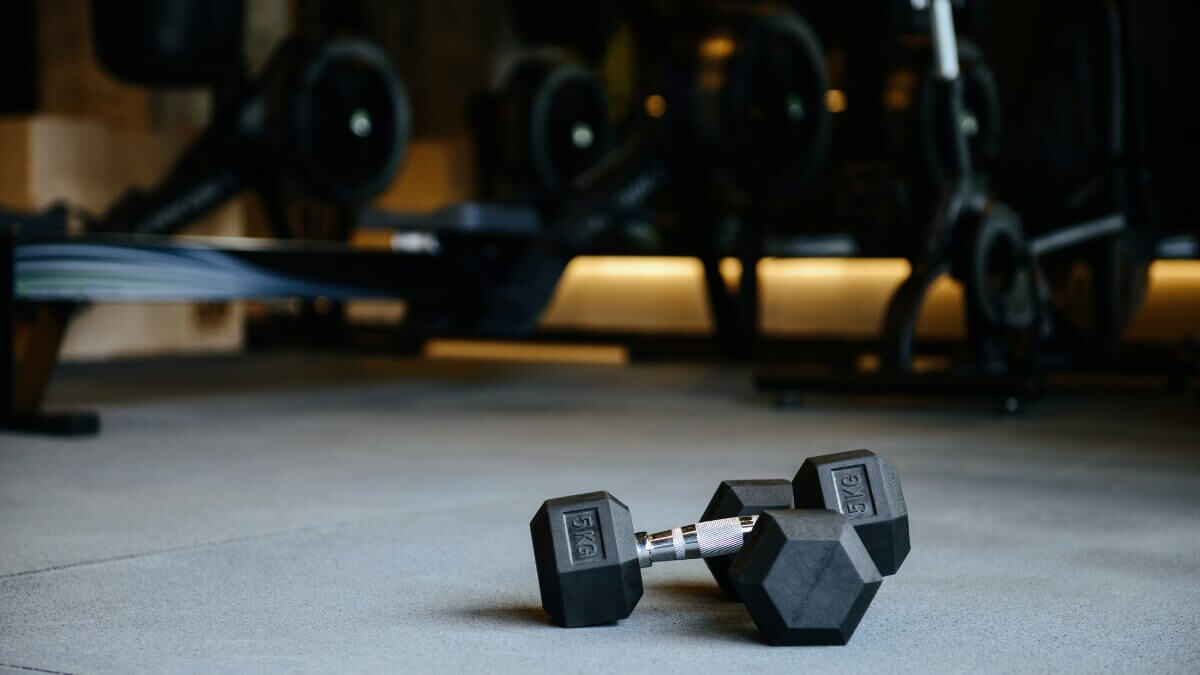
Walking into a gym for the first time can feel intimidating. The weights area can look like it belongs to people who already know exactly what they’re doing. If that sounds familiar, you’re not alone and simply walking in is already a first step.
This guide explains how to start strength training as a complete beginner. It covers what strength training is, the basic movements to learn, how often to train, how much to lift, and what matters most when you start. You do not need to be fit, young, or experienced to begin.
Key Points
- Strength training is any exercise where you work your muscles against resistance, such as weights, machines, resistance bands, or your own bodyweight.
- Anyone can start strength training at any age. People in their 30s, 50s, and 70s begin as complete beginners, including those with injuries or no fitness background.
- Beginners should focus on five basic movements: squat, hinge, push, pull, and core work.
- Two strength training sessions a week is a sensible starting point for most beginners, with rest days in between.
- Good form matters more than lifting heavy weights, especially when you are starting out.
- Progress comes from gradually increasing the challenge over time, a principle trainers call progressive overload.
What Is Strength Training, and Why It Matters for Beginners
Strength training is any exercise where you work your muscles against some form of resistance. That resistance can come from weights, machines, resistance bands, or simply your own bodyweight. This is also called resistance training, and the two terms mean the same thing.
Strength training matters for beginners because it is widely regarded as one of the most useful forms of exercise for long-term health. Done consistently, it is associated with building muscle and strength, supporting your bones and joints, and helping everyday tasks like carrying groceries or climbing stairs feel more manageable. Many people also find it helps with how they feel day to day, from energy levels to confidence.
Current health guidelines generally recommend that adults work their major muscle groups at least twice a week, alongside regular movement. The goal for a beginner is not to become a bodybuilder. The goal is to build a foundation that can support you for years.
Takeaway: Strength training means working your muscles against resistance, and it is widely recommended at least twice a week for general health.
It Is Never Too Late or Too Early to Start Strength Training
A common myth is that there is a "right" kind of person for strength training. In reality, people start strength training at all ages and from all kinds of starting points. You do not need a sporty past or a certain body type to begin.
Real beginners start from very different places. The client stories at SURGE include people who began with no experience at all:
- Xin Yi, age 40, started with no fitness background. Over time she learned to lift with confidence and says she no longer feels constantly tired.
- Alice, a 70-year-old homemaker, began training to regain strength, mobility, and independence.
- Mel, a 34-year-old working professional, started while dealing with knee pain and rebuilt her strength with guided training.
- Seamus, age 55, began while managing joint pain and other health concerns, and worked toward a stronger, more comfortable lifestyle.
These examples describe individual experiences rather than typical or guaranteed results. The common thread is not talent or a sporty background. The common thread is starting, then staying consistent.
Takeaway: You can start strength training at any age and from any starting point, including with no experience or while managing an injury.
The Basic Strength Training Movements Beginners Should Learn First
You do not need a complicated routine to start strength training. Most good beginner programs are built around five basic movement patterns that each work several muscles at once.
The five basic strength training movements for beginners are:
- Squat: bending and straightening your knees and hips, like standing up from a seated position.
- Hinge: bending at the hips with a flat back, like picking something up off the floor.
- Push: pressing weight away from you, such as a chest press or an overhead press.
- Pull: pulling weight toward you, such as a row.
- Core: bracing your midsection, such as holding a plank.
If you cover these five patterns each week, you have the foundation of a balanced routine. There is no need to chase unusual or advanced exercises when you are starting out.
Beginners also often ask whether to use machines, dumbbells, or bodyweight. All three are good options. Machines can be reassuring early on because they guide the movement for you. Dumbbells let you start light and build up. Many effective exercises use only your body weight. The best choice is the one that lets you practice the movement well.
Takeaway: Beginners should build their routine around five basic movements, squat, hinge, push, pull, and core, using machines, dumbbells, or bodyweight.
How Often Beginners Should Strength Train Each Week
For most beginners, two strength training sessions a week is a sensible and sustainable starting point, with a rest day or two in between. For many people this is a reasonable amount to begin with while still allowing time to recover, and it is realistic for a busy schedule.
Starting with a frequency you can actually stick to matters more than starting big and burning out within a few weeks. For beginners, consistency is generally more important than intensity. You can always do more later if you enjoy it and want to progress.
Takeaway: Two strength training sessions a week is a practical starting point for most beginners, with rest days in between.
How Much Weight Beginners Should Lift, and How Many Reps
A common worry for beginners is choosing the "wrong" weight. A simple guide many trainers use is to choose a weight you can lift for about 10 to 12 repetitions, where the last two or three feel challenging but you can still keep good form. If 12 reps feel easy, the weight is probably too light. If you are struggling badly by rep five, the weight is likely too heavy for now.
It also helps to understand two simple terms. A rep, short for repetition, is one full movement of an exercise. A set is a group of reps done together. A practical starting point for beginners is around two to three sets of 8 to 12 reps per exercise.
These numbers are a starting point, not a strict rule. You will adjust the weight and reps as you learn what different weights feel like, and a good program adjusts them to you over time.
Takeaway: Beginners can start with a weight they can lift for 8 to 12 reps with good form, for about two to three sets per exercise.
The Two Things That Matter Most When You Start Strength Training
If you remember only two ideas from this guide, make them these two: focus on form first, and progress gradually over time.
Form matters more than weight. How you perform an exercise is generally considered more important than how much you lift. Good form helps you target the muscles you are working and may help reduce the chance of aches and strains. It is worth learning each movement properly before adding much weight. At SURGE, getting the basics right is treated as the foundation everything else is built on.
Progress comes from gradually increasing the challenge. Muscles and strength tend to develop when the demand on them slowly increases over time. Trainers call this progressive overload, which simply means gradually asking a little more of your body as it adapts. That might mean a little more weight, an extra rep, or better control of the movement. You do not need big jumps. Small, steady increases over weeks and months are what tend to add up.
Takeaway: For beginners, good form matters more than heavy weight, and steady progress over time matters more than quick jumps.
Common Strength Training Mistakes Beginners Should Avoid
Being aware of common beginner mistakes early can save you frustration. The most common strength training mistakes for beginners are:
- Doing too much, too soon. Jumping into long, daily sessions often leads to burnout or soreness that puts you off. Ease in gradually.
- Skipping rest. Recovery is part of the process. Your body adapts between sessions, not only during them.
- Chasing weight over technique. Lifting heavier than you can control rarely helps and can lead to strains.
- Expecting instant change. Visible results usually take weeks, and the early phase can feel quiet even when progress may be building. It is worth giving it time.
- Comparing yourself to others. Everyone in the gym started somewhere, including the people who look the most experienced.
Takeaway: Most beginner mistakes come from doing too much too soon, skipping rest, and prioritizing heavy weight over good technique.
When to Get Help Starting Strength Training
You can start strength training on your own, and many people do. Getting guidance early is optional, but it can make the first steps less daunting, help you learn good form from the start, and give you a plan instead of guesswork.
Getting help is especially worth considering if you are returning after a long break, managing an injury or a health condition, or you simply feel unsure where to begin. A good coach meets you where you are and builds a plan around your needs. Several of the SURGE clients mentioned earlier, including those who started with injuries or no background at all, began this way.
If you would like a hand taking that first step, with someone to teach you the basics safely and build a plan around where you are starting from, you can book a complimentary consultation with SURGE.
Takeaway: You can start strength training alone, but coaching can help beginners learn good form and is especially useful when managing an injury or health condition.
Key Takeaways: How to Start Strength Training
- Strength training means working your muscles against resistance, using weights, machines, bands, or bodyweight.
- Anyone can start at any age, including with no experience or while managing an injury or health condition.
- Build your routine around five basic movements: squat, hinge, push, pull, and core.
- Two sessions a week is a sensible starting point for most beginners, with rest days in between.
- Choose a weight you can lift for 8 to 12 reps with good form, for two to three sets per exercise.
- Prioritize good form over heavy weight, and increase the challenge gradually over time.
- Getting coaching is optional but can help, especially if you are managing an injury or unsure where to begin.
The hardest part of starting strength training is usually the first step, and you do not have to take it perfectly. You just have to take it.
References
- Strength training builds more than muscles (general benefits and the recommendation to train major muscle groups at least twice a week). Harvard Health Publishing. https://www.health.harvard.edu/staying-healthy/strength-training-builds-more-than-muscles
This content is for general informational purposes only and does not constitute personalized medical, fitness, or nutrition advice. Always consult a qualified professional before making changes to your training, nutrition, or health routine.