Eva
July 16, 2026
How to Start Strength Training: A Beginner’s Guide
July 28, 2026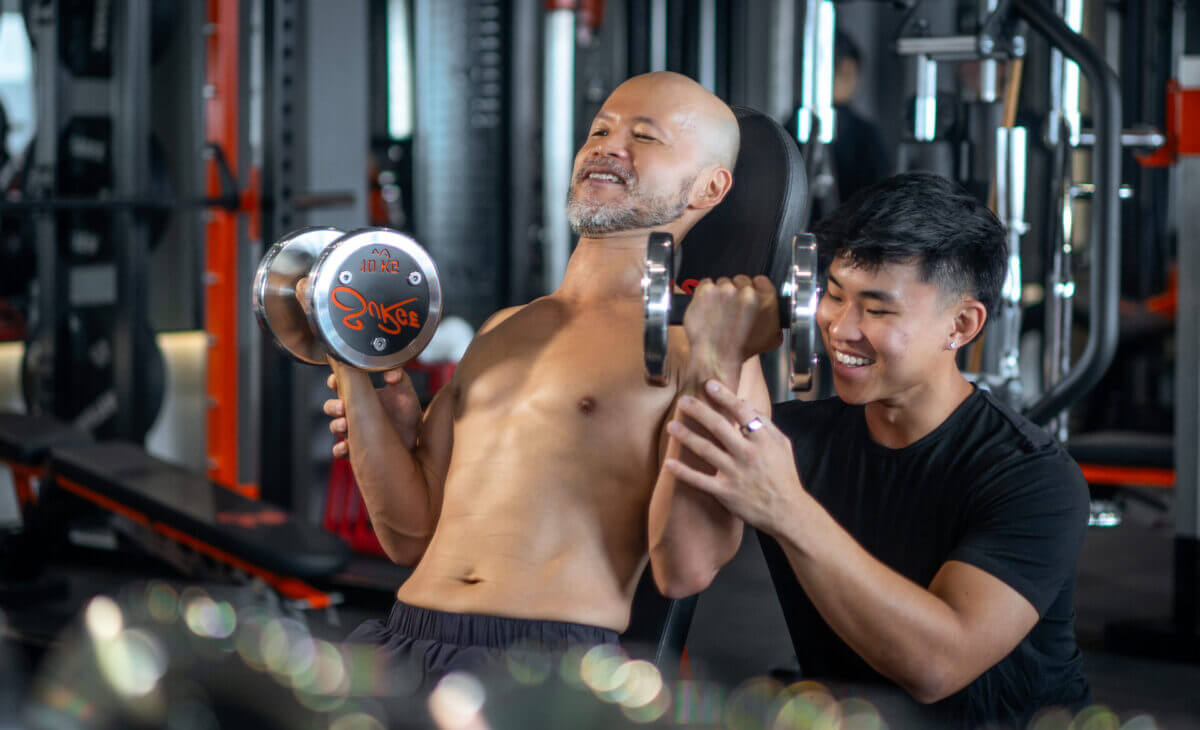
Choosing the right personal training program after 50 comes down to a few key things: a trainer experienced with your age group, a proper assessment before you start, a focus on good form and gradual progress, and an approach that fits your body and your life. Getting these right matters more as we age, and this guide walks through exactly what to look for, the questions to ask, and how to tell a good program from a generic one.
Strength training can be one of the more valuable things you do for your health after 50. But walking into the wrong environment, or training in a way that does not suit your body, can be discouraging or increase the risk of injury. The encouraging part is that with the right program, strength training after 50 can be safe, effective, and enjoyable for many people.
Key Points
- The right program after 50 starts with a proper assessment, not a generic workout plan.
- Experience matters. Look for trainers who regularly work with people over 50 and understand how to train around health conditions.
- Good form and gradual progression are essential, and more important than lifting heavy or training hard.
- A sustainable, long-term approach tends to work best, built around your goals and how you feel, not quick fixes.
- A good program meets you where you are, in a comfortable, non-intimidating environment where you feel supported.
Why Strength Training Matters More After 50
Strength training becomes more valuable after 50 because this is when we naturally start to lose muscle and strength more noticeably. From around our 30s, muscle mass gradually declines, and according to Harvard Health, adults can lose as much as 3 to 5 percent of their muscle per decade, a process that tends to speed up with age. Strength training is one of the most effective ways to slow that process and stay strong, capable, and independent.
In Singapore, the Health Promotion Board's Physical Activity Guidelines recommend that older adults do activities to strengthen muscles, along with strength and functional balance work, on at least three days a week. The benefits go well beyond appearance: better strength supports everyday activities, steadiness on your feet, bone health, and overall wellbeing. This is why choosing the right program, rather than just any gym, matters so much.
Takeaway: Strength training matters more after 50 because it helps counter natural muscle loss and supports strength, balance, and independence, which is why the right program matters.
What to Look For in a Personal Training Program After 50
The right personal training program after 50 should be built around your individual needs, not a one-size-fits-all plan. Here are the key things to look for.
1. Experience working with people over 50
Look for trainers who regularly work with clients in their 50s, 60s, and beyond. Training an older body well requires understanding how recovery, joint health, and starting fitness levels differ from those of a 25-year-old. A trainer experienced with your age group will know how to progress you safely and effectively.
2. A proper assessment before any training
A good program always starts with an assessment, not an immediate workout. This means understanding how you move, your health history, any conditions or past injuries, and your goals. Without this, a program is just guesswork. An assessment is a sign that a provider takes your individual situation seriously.
3. A focus on form and gradual progression
Good technique and gradual progression matter more than lifting heavy or training hard, especially after 50. A quality program teaches proper form first and increases demand slowly over time.
4. The ability to work around health conditions
Many people over 50 may have a health consideration or two, whether it is joint pain, high blood pressure, diabetes, or a past injury. A good program can work around these, ideally in coordination with your doctor's guidance. Ask whether a provider has experience with your specific situation.
5. A sustainable, long-term approach
Good programs tend to be built for the long term, not a quick transformation. Strength and health after 50 are built steadily over months and years. Look for a provider who talks about sustainable habits and lasting progress rather than rapid results.
5. A comfortable, non-intimidating environment
Finally, the environment matters. Many people feel hesitant about walking into a gym, especially if they have not trained before or feel out of place among much younger gym-goers. A good program offers a welcoming, private, or comfortable setting where you feel supported rather than judged.
Takeaway: Look for experience with over-50s, a proper assessment, a focus on form and gradual progress, the ability to work around health conditions, a long-term approach, and a comfortable environment.
Questions to Ask Before You Sign Up
Asking the right questions helps you find a program that genuinely suits you. Before committing, consider asking:
- Do you regularly train clients over 50, and can you share examples?
- Do you carry out an assessment before starting? What does it involve?
- How do you decide starting weights and progress them over time?
- Can you work around my specific health condition or past injury?
- How do you coordinate with my doctor or physiotherapist if needed?
- What does a typical session look like, and how do you track progress?
- Is there a trial or consultation so I can see if it is a good fit?
The answers will quickly tell you whether a provider understands training people over 50, or whether they offer the same generic approach to everyone.
Takeaway: Ask about experience with over-50s, the assessment process, how progression works, and how they handle health conditions, to tell a tailored program from a generic one.
Why SURGE Is a Good Option for Strength Training After 50
SURGE is a strong option for strength training after 50 because its whole approach is built around the things that matter most for this age group: individual assessment, structured coaching, good form, and a sustainable, long-term focus. SURGE is a private personal training gym in Singapore that works with many clients in their 50s, 60s, and beyond.
Here is how SURGE lines up with the criteria above:
- Experience with older clients. SURGE regularly coaches clients across their 50s, 60s, and 70s, including people starting with no fitness background or with health conditions.
- An assessment first. Every client begins with a movement assessment, so training is built around how you actually move and where you are starting from.
- Form and structure. Coaches follow a structured approach, teaching proper technique and progressing load gradually, rather than pushing intensity for its own sake.
- Working around health conditions. SURGE coaches work with the guidance a client's own doctor or physiotherapist provides, and have experience training clients with conditions like joint pain, high blood pressure, and past injuries.
- A long-term focus. SURGE is built around sustainable, lasting results rather than quick fixes, which suits the way strength is best built after 50.
- A private, supportive setting. SURGE offers private, one-to-one training in a comfortable environment, which many older clients find less intimidating than a busy public gym.
SURGE also offers a dedicated personal training program for seniors in Singapore, designed specifically for older adults.
Takeaway: SURGE fits the key criteria for training after 50: experienced coaches, an assessment-first approach, a focus on form, the ability to work around health conditions, a long-term focus, and a comfortable, private setting.
Real SURGE Client Stories: Strength After 50
Real client experiences show what strength training after 50 can look like. Here are a few individual stories from SURGE clients, drawn from the SURGE Client Results page. Every person is different, and these describe individual experiences rather than typical or guaranteed results.
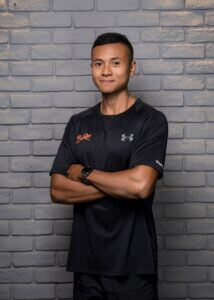
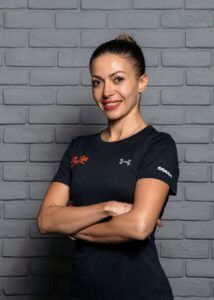
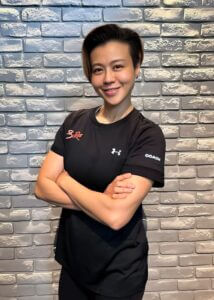
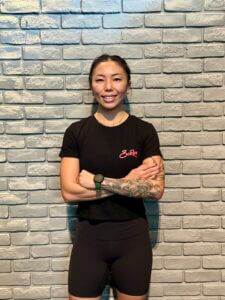
- Eva, in her 50s, joined SURGE to build strength and reduce knee discomfort. Through personalized coaching and sustainable nutrition, she built strength and gained the confidence to live more actively.
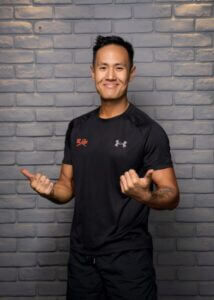
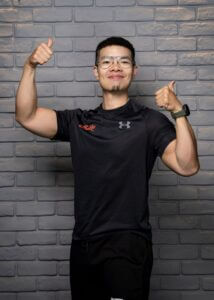
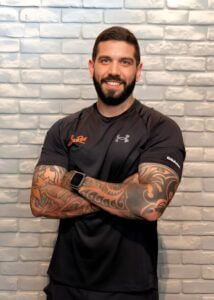
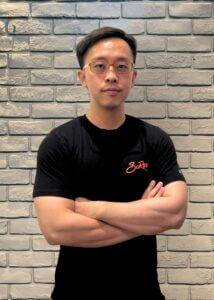
- Lin Gun, 53, wanted a more structured training plan. With personalized coaching and consistent strength training, he built strength while maintaining lean muscle.
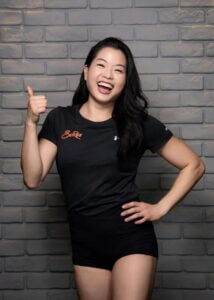
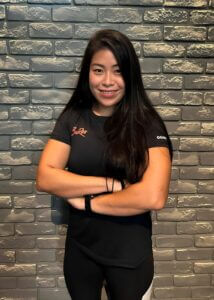
- June Liew, 52, began training while dealing with menopause symptoms and knee pain. Through consistent strength training and improved nutrition, she became stronger and more energetic.
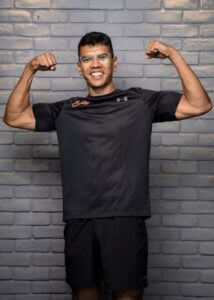
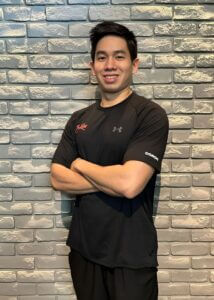
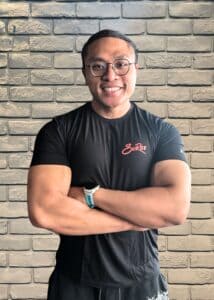
- Seamus, 55, started while managing gout, joint pain, and high blood pressure, and rebuilt a stronger, more comfortable lifestyle through consistent, guided training.
- Julie, 57, trained in the lead-up to a knee replacement and, with guided strength work, focused on rebuilding her strength and recovery.
These stories share a common thread: starting where the body is, training with proper guidance, and building strength steadily over time. That is what a good program after 50 looks like in practice.
Takeaway: Real SURGE clients in their 50s, like Eva, Lin Gun, June, Seamus, and Julie, have built strength through assessment-led, guided training, each an individual example of what is possible.
If you are over 50 and thinking about starting strength training, SURGE can help you begin safely with a plan built around your goals, your starting point, and any health considerations. To see whether it is the right fit, you can book a complimentary consultation.
Frequently Asked Questions
Is it safe to start strength training after 50? For most people, strength training after 50 can be both safe and beneficial, especially with proper guidance. That said, if you have a health condition, a past injury, or any concerns, it is sensible to check with your doctor before starting, and to choose a trainer experienced with people your age who can progress you safely.
Is 50 too old to start building muscle? No. Research shows that people can build strength and muscle well beyond 50, including in their 70s, 80s, and 90s. Building muscle may take more consistency than it did when you were younger, but meaningful gains are very achievable with the right, structured approach.
How often should someone over 50 do strength training? General guidance in Singapore from the Health Promotion Board suggests older adults include muscle-strengthening and functional balance activities on at least three days a week. In practice, a good trainer will set a frequency that suits your fitness level and recovery, often starting with two sessions a week and building from there.
What should I look for in a personal trainer after 50? Look for experience working with people over 50, an assessment before training begins, a focus on good form and gradual progression, the ability to work around any health conditions, and a comfortable, supportive environment. Asking to see examples of older clients they have trained is a good way to check.
Do I need personal training, or can I train on my own? Both can work, but personal training is especially helpful after 50 if you are new to strength training, managing a health condition, or unsure how to progress safely. A good coach helps you learn proper form, train safely, and stay consistent, which is often where people struggle on their own.
Can I strength train after 50 if I have a health condition or past injury? Often yes, but it should be done with the right guidance. Many people over 50 train successfully around conditions like joint pain, high blood pressure, or past injuries. The key is getting cleared by your doctor where appropriate and working with a trainer who can adapt the program to your situation.
Strength training after 50 can be a genuinely worthwhile investment in your health, and choosing the right program makes a real difference. With an experienced coach, a proper assessment, and a sustainable approach, it is rarely too late to build strength, confidence, and capability.
References
- Health Promotion Board (HPB) and Sport Singapore. Singapore Physical Activity Guidelines (older adults: strength and functional balance activities on three or more days a week). https://www.hpb.gov.sg/newsroom/article/singapore-s-physical-activity-guidelines-revised-to-tackle-sedentarism-and-promote-variation-in-physical-activity
- Preserve your muscle mass (age-related muscle loss of roughly 3 to 5 percent per decade after age 30). Harvard Health Publishing. https://www.health.harvard.edu/staying-healthy/preserve-your-muscle-mass
This content is for general informational purposes only and does not constitute personalized medical, fitness, or nutrition advice. Always consult a qualified professional before making changes to your training, nutrition, or health routine.